Learning about sounds and how they are represented in words is a fundamental part of language development. Onomatopoeia, alliteration, and rhyme are three key concepts that help children understand the relationship between sounds and words. Onomatopoeia refers to words that imitate the sounds they describe, like ‘buzz’ or ‘meow’. Alliteration is the repetition of initial consonant sounds in words, while rhyme involves the repetition of similar sounds at the end of words. These concepts are crucial for developing phonological awareness, a skill that is essential for reading and writing.
Educators and parents are constantly looking for engaging and effective ways to teach these concepts to children. One innovative approach is through the use of printable worksheets that focus on onomatopoeia, alliteration, and rhyme. These worksheets offer a variety of activities and exercises designed to help children recognize, create, and manipulate words that exhibit these sound properties. By using printable worksheets, children can have fun while learning, which enhances their motivation and retention of the material.
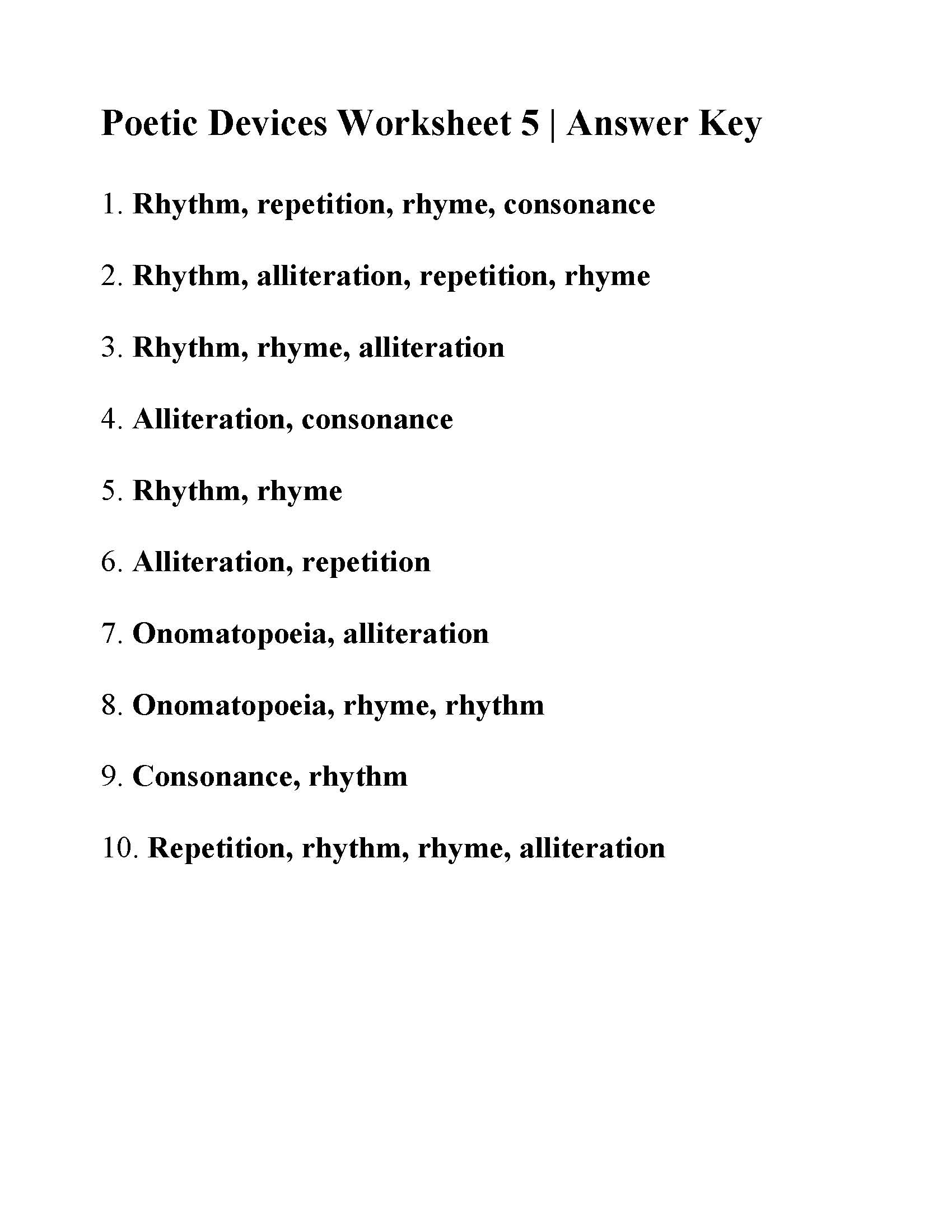
Poetic Devices Worksheet 5 Reading Activity
Introduction to Onomatopoeia
Onomatopoeia is a fascinating aspect of language that can capture children’s imagination and interest. It represents a unique way of describing sounds, making it easier for kids to connect words with their real-world counterparts. For instance, the word ‘splash’ not only describes the act of something hitting water but also mimics the sound of that action. This direct association between sound and action helps children develop a deeper understanding of language and its expressive capabilities.
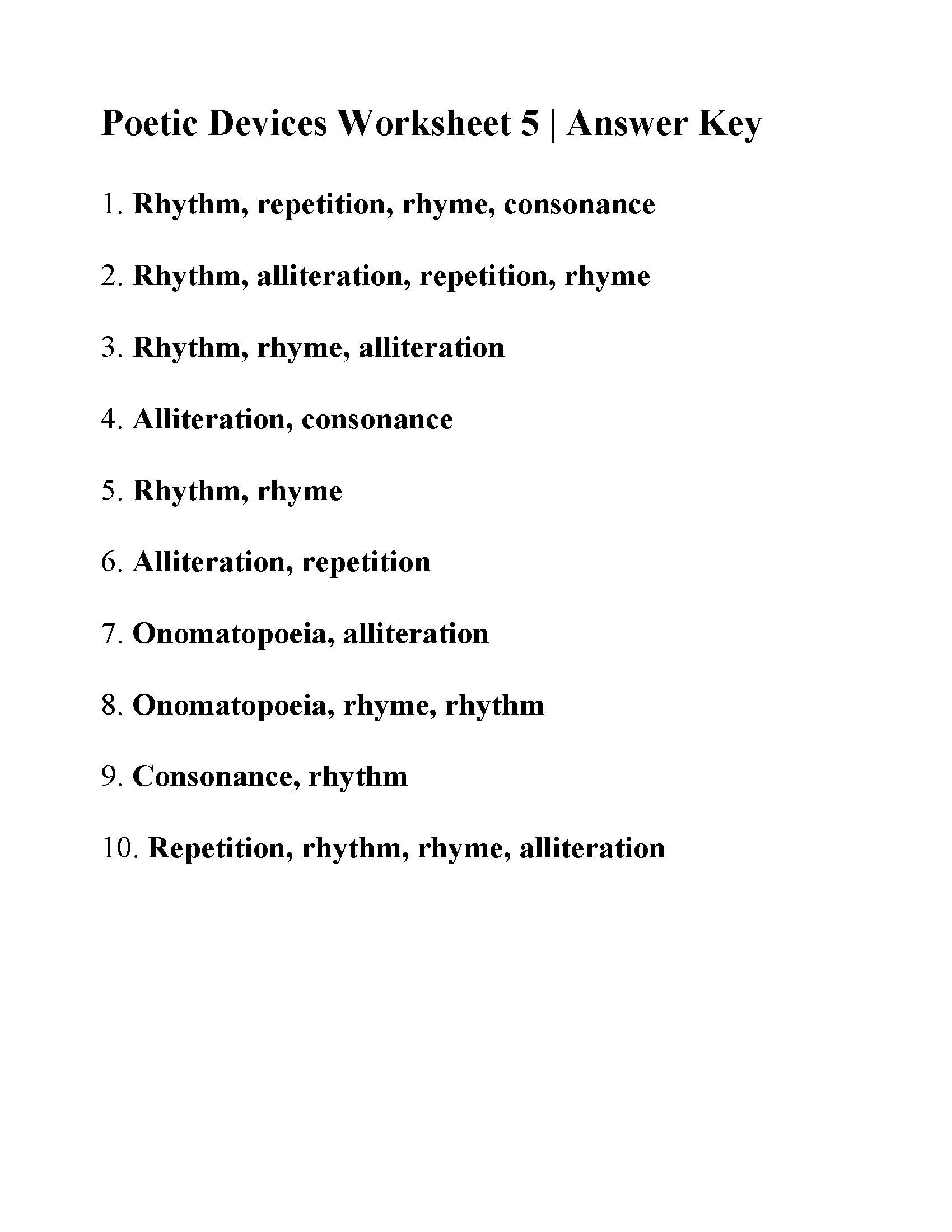
Poetic Devices Worksheet 5 Reading Activity
The Power of Alliteration and Rhyme
Alliteration and rhyme are equally important in language development. They contribute to the musicality of language, making it more engaging and enjoyable. Alliteration helps children recognize patterns in words, which is crucial for decoding and spelling. Rhyme, on the other hand, aids in memory recall and the development of phonological awareness. Together, these concepts lay the foundation for advanced language skills, including reading comprehension and creative writing.
Benefits of Using Printable Worksheets
The benefits of using printable worksheets for teaching onomatopoeia, alliteration, and rhyme are numerous. Firstly, they provide a structured yet flexible approach to learning, allowing educators to tailor activities according to the needs and abilities of their students. Secondly, these worksheets can be easily accessed and printed, making them a convenient resource for both classroom and home learning. Lastly, the variety of activities included in these worksheets, such as matching games, word searches, and fill-in-the-blank exercises, ensures that children remain engaged and motivated throughout the learning process.
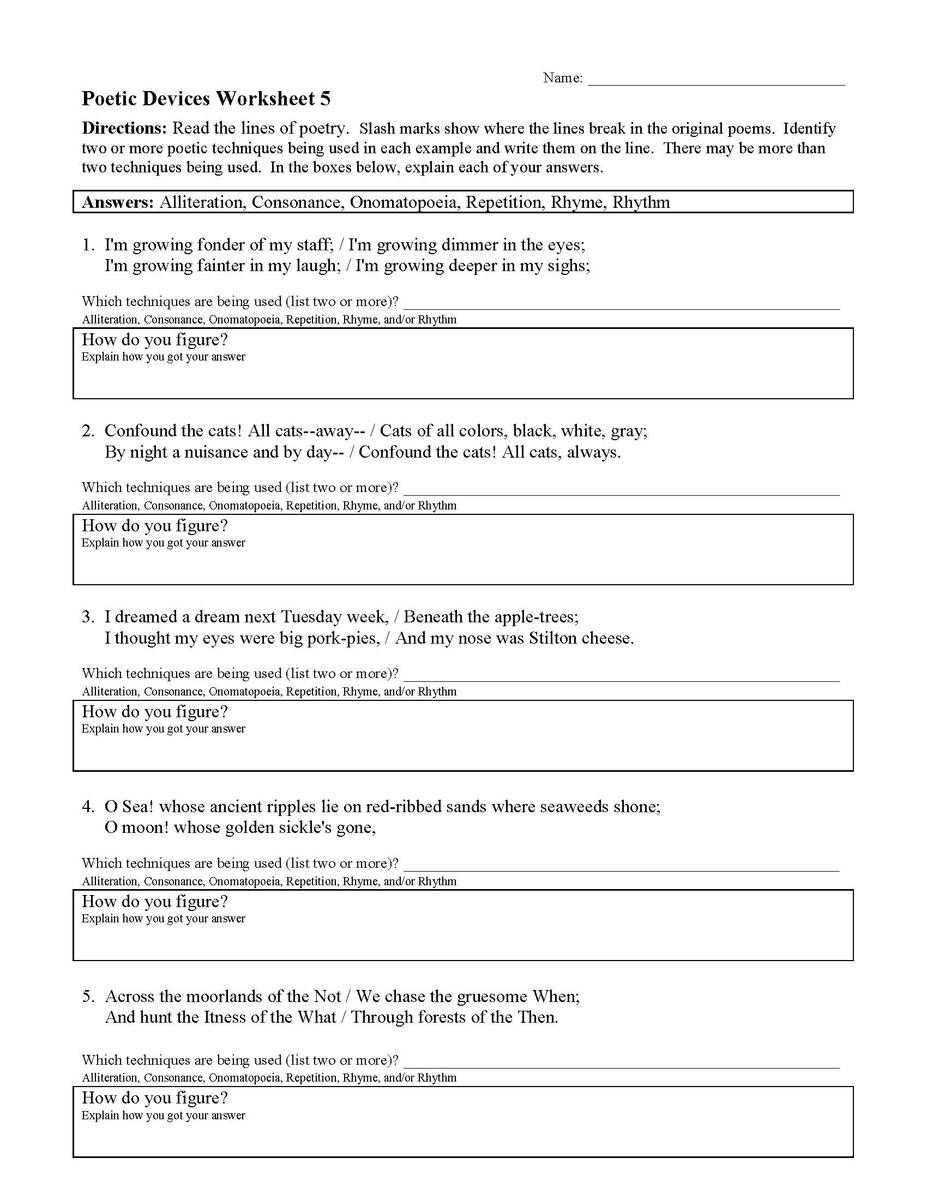
Poetic Devices Worksheet 5 Reading Activity
In conclusion, printable onomatopoeia alliteration and rhyme worksheets are a valuable tool for teaching children about the sounds of language. By incorporating these worksheets into their curriculum, educators can provide children with a fun and interactive way to learn about onomatopoeia, alliteration, and rhyme. As children explore and play with sounds, they develop essential skills that will serve as the foundation for their future linguistic and literary endeavors.
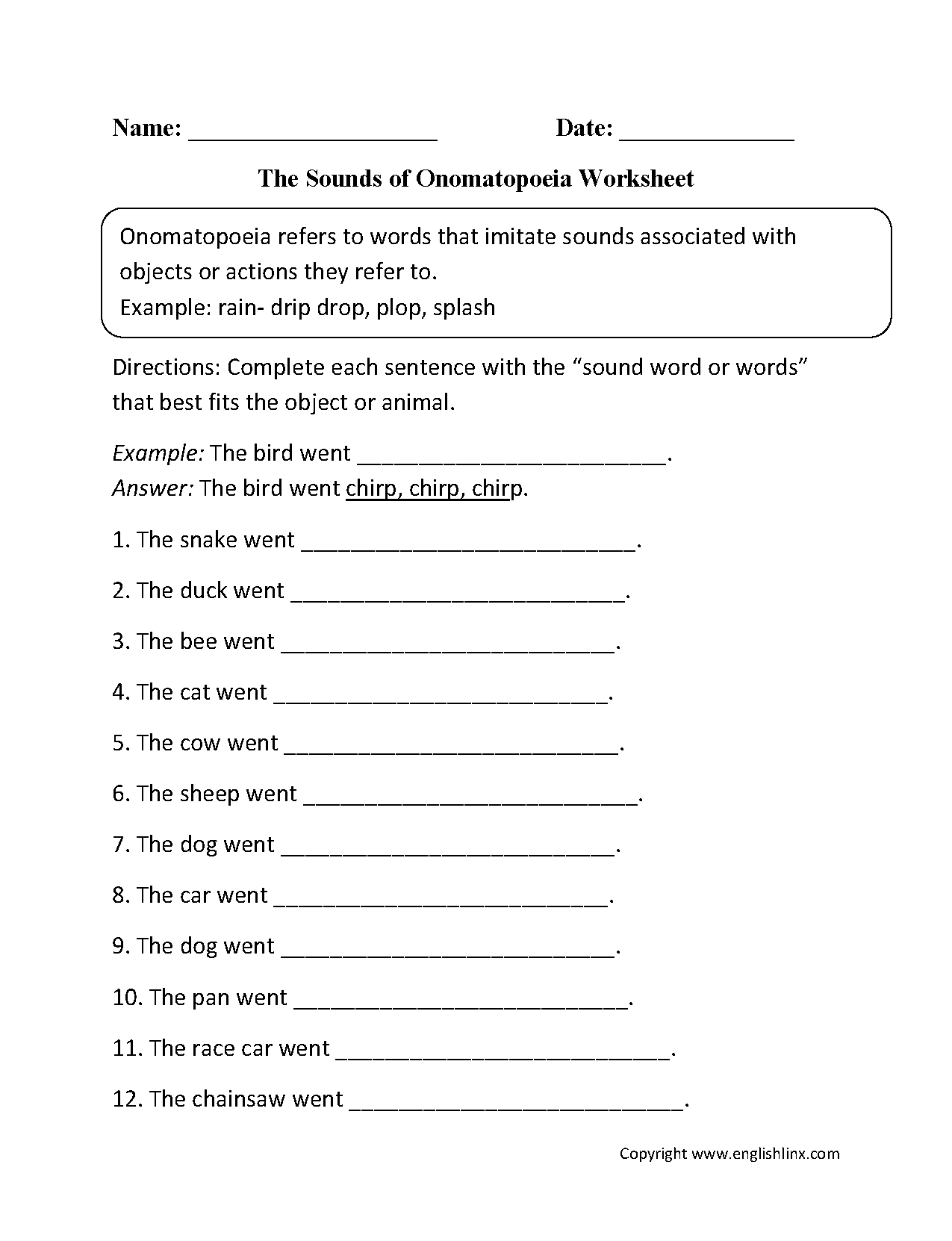
Englishlinx Onomatopoeia Worksheets
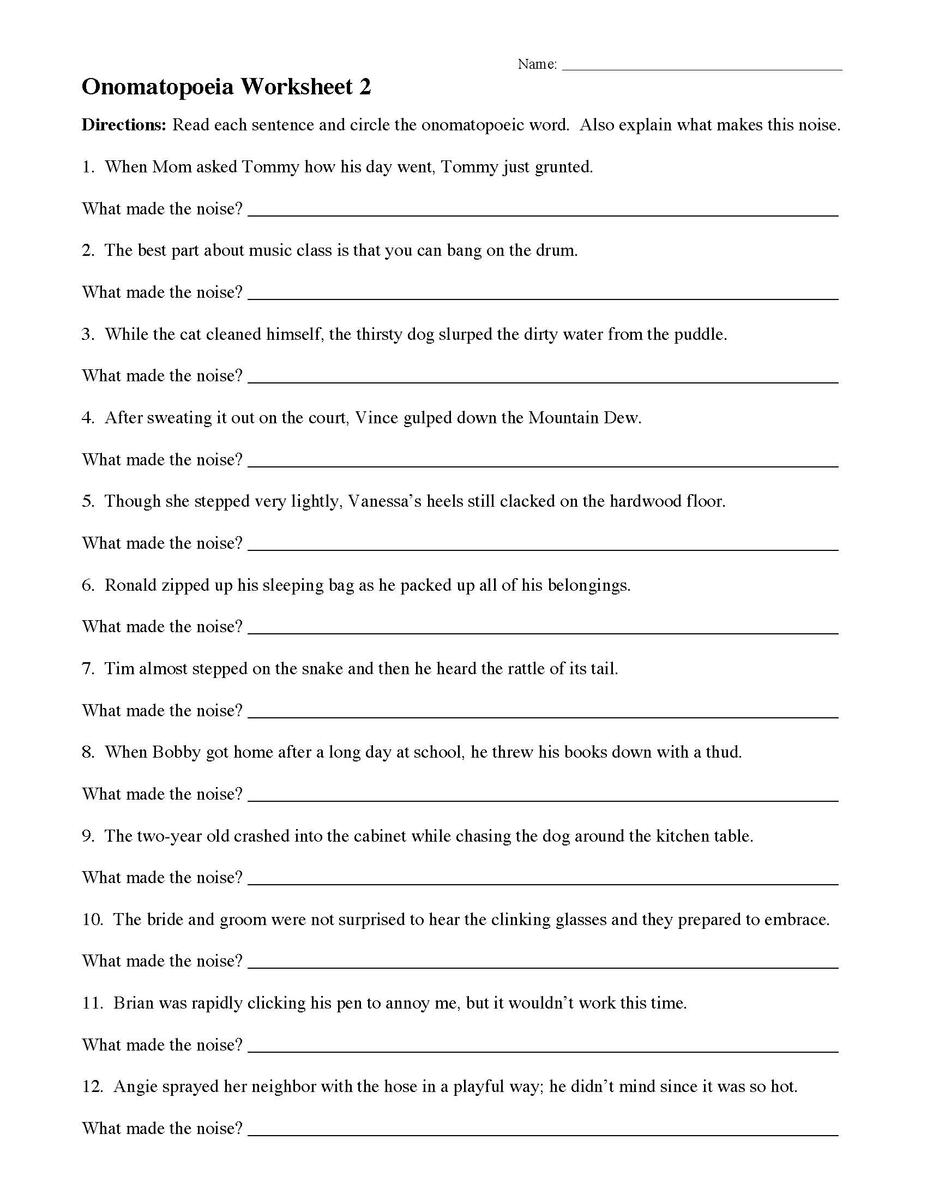
Onomatopoeia Worksheet 2 Poetic Devices Activity