When it comes to making informed decisions, having the right tools at your disposal is crucial. A printable comparison worksheet can be an invaluable resource for anyone looking to weigh their options and make a choice. Whether you’re a student, a professional, or simply someone looking to make a purchase, a comparison worksheet can help you organize your thoughts and make a decision with confidence. Excel is a powerful tool that can help you create custom worksheets tailored to your specific needs.
With its user-friendly interface and robust features, Excel makes it easy to create a printable comparison worksheet that meets your requirements. From simple tables to complex formulas, Excel has everything you need to create a worksheet that helps you compare and contrast different options. In this guide, we’ll show you how to build a printable comparison worksheet in Excel, step by step. We’ll cover the basics of Excel worksheets, designing your comparison worksheet, and adding data and formulas to make your worksheet functional.
40 Free Comparison Chart Templates Excel TemplateArchive
Understanding the Basics of Excel Worksheets
Before you start building your comparison worksheet, it’s essential to understand the basics of Excel worksheets. An Excel worksheet is a single spreadsheet that contains cells, rows, and columns. You can use these cells to enter data, formulas, and formatting to create a customized worksheet. To create a new worksheet in Excel, simply click on the ‘File’ tab, select ‘New,’ and choose ‘Blank Workbook.’ This will open a new, blank worksheet where you can start building your comparison worksheet.
40 Free Comparison Chart Templates Excel TemplateArchive
Designing Your Comparison Worksheet
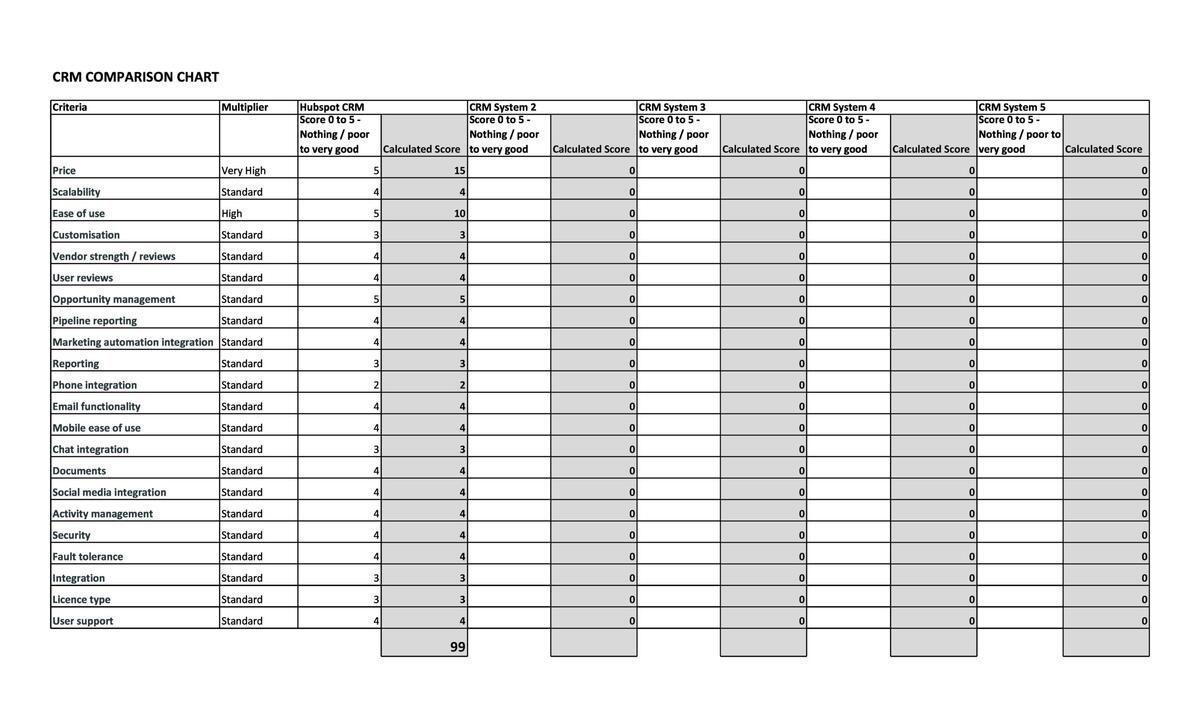
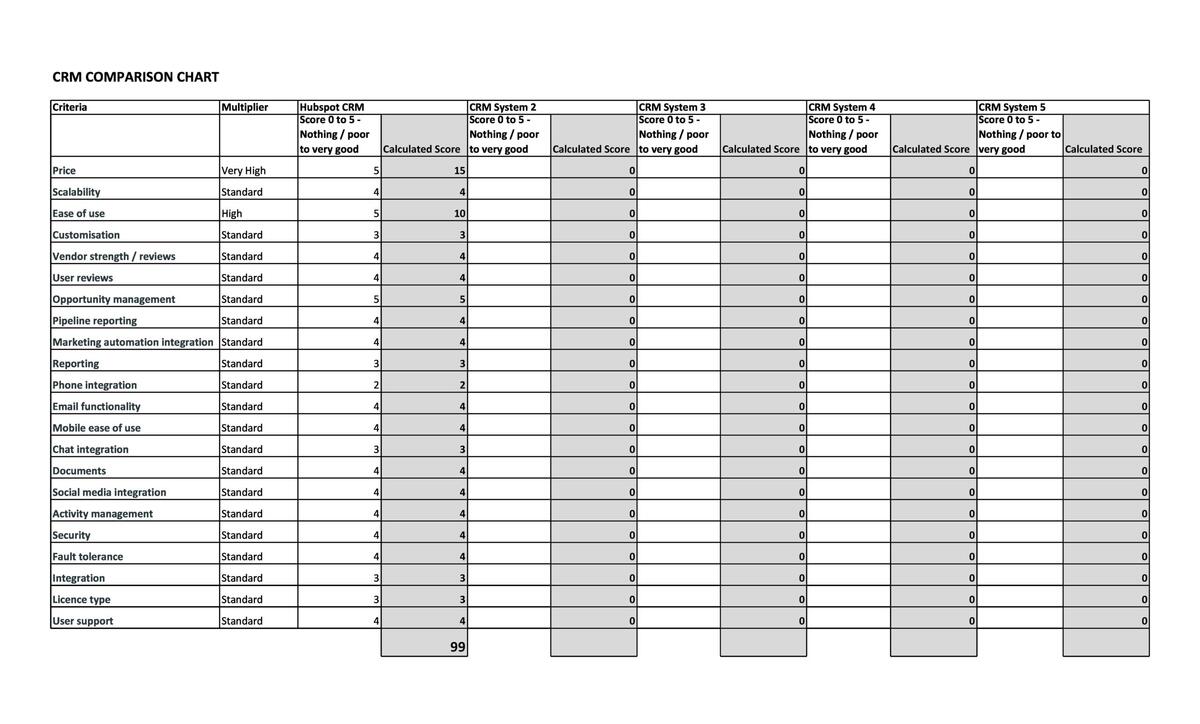
Designing your comparison worksheet is the next step in the process. To do this, you’ll need to decide on the layout and structure of your worksheet. Consider what information you want to compare and how you want to present it. You can use Excel’s built-in templates or create your own custom layout using tables, charts, and graphs. For example, if you’re comparing different products, you might want to include columns for features, pricing, and customer reviews. Once you have a clear idea of your layout, you can start setting up your worksheet in Excel.
Adding Data and Formulas to Your Worksheet
Adding data and formulas to your worksheet is where the real power of Excel comes into play. You can use formulas to calculate totals, averages, and percentages, making it easy to compare and contrast different options. For example, if you’re comparing different investment options, you might want to use a formula to calculate the return on investment (ROI) for each option. Excel also makes it easy to add conditional formatting, which can help you highlight important information and make your worksheet more visually appealing.
Finally, once you’ve added all the necessary data and formulas to your worksheet, you can print it out and start using it to make informed decisions. Excel makes it easy to print your worksheet in a variety of formats, including PDF and CSV. You can also share your worksheet with others by emailing it or uploading it to a cloud storage service. With a printable comparison worksheet in Excel, you’ll be able to make informed decisions with confidence, knowing that you have all the information you need at your fingertips.